pi-workflow-engine
Zero-dependency Dynamax workflows for pi: live parallel subagents, typed handoffs, synthesized results.
Package details
Install pi-workflow-engine from npm and Pi will load the resources declared by the package manifest.
$ pi install npm:pi-workflow-engine- Package
pi-workflow-engine- Version
0.9.0- Published
- Jun 18, 2026
- Downloads
- 923/mo · 377/wk
- Author
- timbrinded
- License
- MIT
- Types
- extension, skill
- Size
- 2.6 MB
- Dependencies
- 0 dependencies · 5 peers
Pi manifest JSON
{
  "extensions": [
    ".pi/extensions/pi-workflow-engine/index.ts"
  ],
  "skills": [
    "skills"
  ],
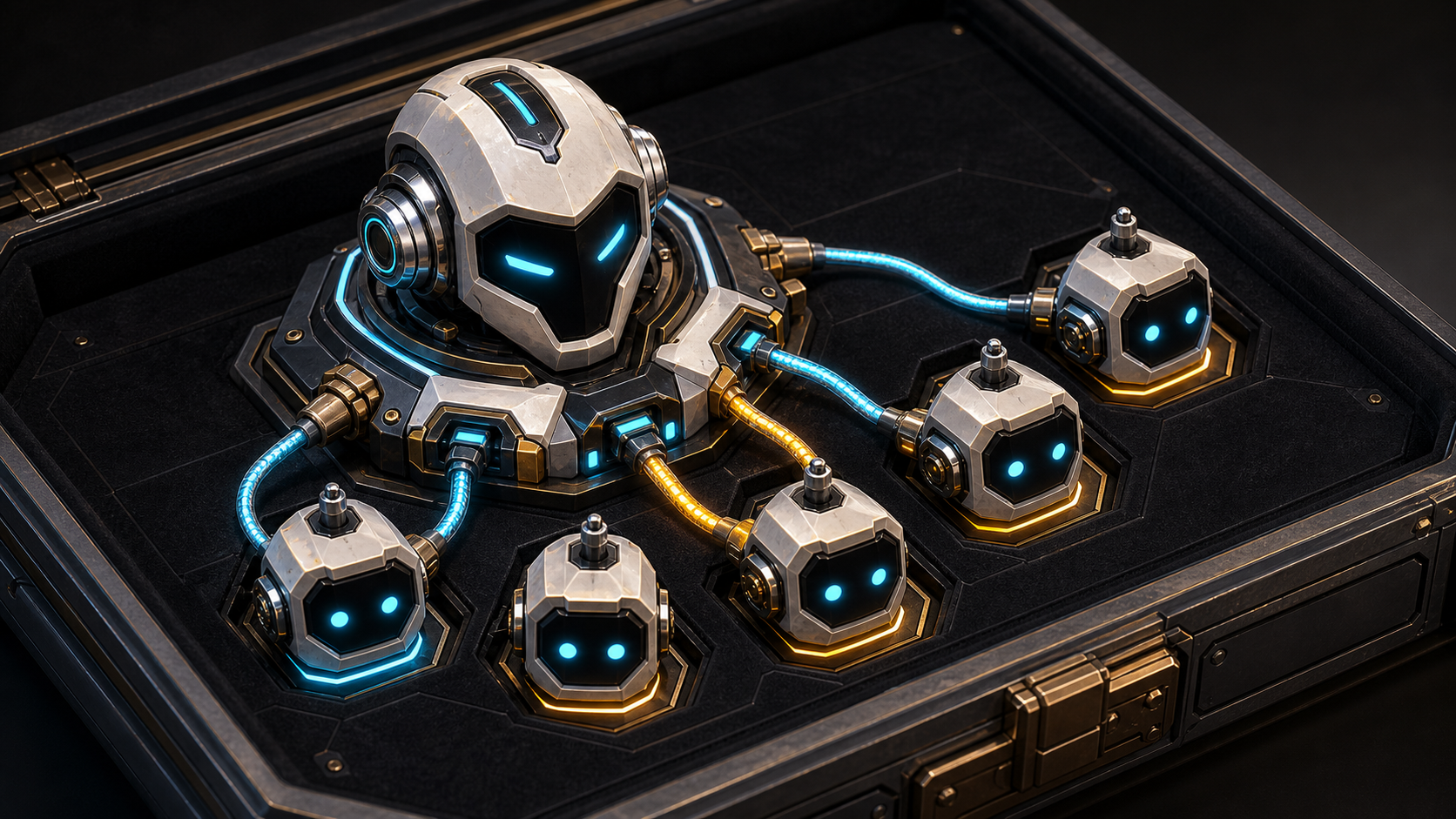
  "image": "https://raw.githubusercontent.com/timbrinded/pi-workflow-engine/master/assets/preview.png"
}
Security note
Pi packages can execute code and influence agent behavior. Review the source before installing third-party packages.
README
pi-workflow-engine
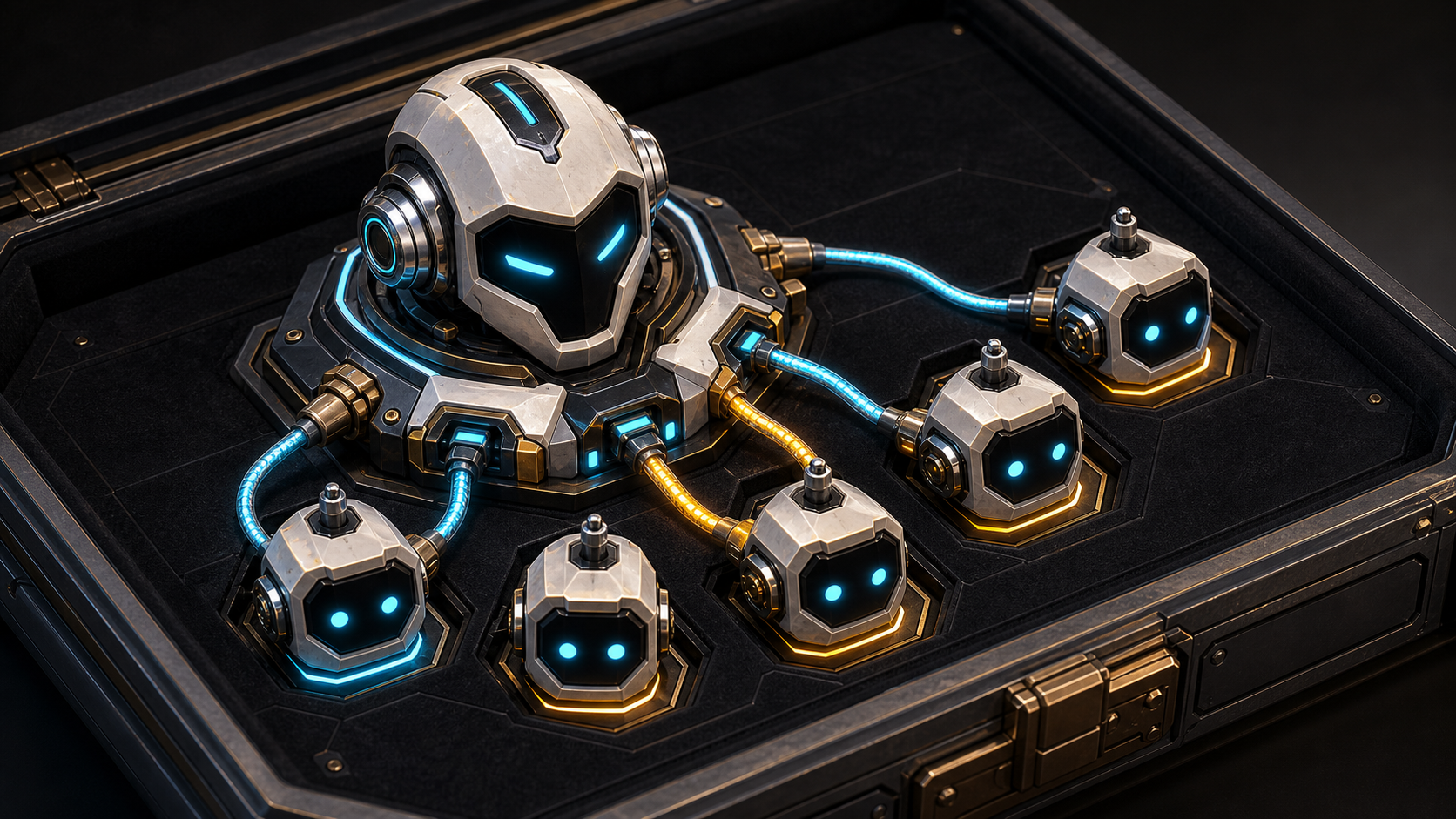
Zero-dependency Dynamax workflows for pi: opt into live, parallel subagents when one coding agent is not enough.
Use dynamax when a task needs several independent passes: review from different angles, compare options, chase a bug through multiple suspects, or stress-test a plan. pi can spin up a temporary workflow, run focused subagents in parallel, show progress in the TUI, and return one synthesized result.
The package ships no bundled runtime dependencies. It uses the pi SDK and pi's bundled core packages, so installing it does not pull in a second agent stack.
The built-in workflows are advisory. They inspect, verify, and report; they do not edit files.
Install
pi install npm:pi-workflow-engine
Or install from GitHub:
pi install git:github.com/timbrinded/pi-workflow-engine
Restart pi, or run /reload in an open session, then confirm it loaded:
pi list
For project-local install:
pi install npm:pi-workflow-engine -l
Use Dynamax
Put the word dynamax in your prompt when you want pi to use a custom multi-agent workflow for the current task.
dynamax investigate why typecheck started failing after this branch
What to expect:
- pi decides whether a saved workflow fits or whether to write a one-off workflow.
- The workflow runs focused subagents in parallel.
- You can watch phases, agents, findings, and logs in the workflow inspector.
- You get a summarized result with evidence, risks, next steps, and workflow-level token/cost totals gathered from subagent sessions.
- You can then ask pi to make changes using that result.
Workflow usage totals are reported on the workflow result itself. pi's built-in footer and /session stats may still show host-session usage only unless pi core adds a first-class extension usage API.
Dynamax is one-shot by default. It applies to the next agent run and then clears. Keep it on for the session with:
/workflow:dynamax on
/workflow:dynamax status
/workflow:dynamax off
The workflow inspector is available with:
/workflow:inspector
In interactive mode, /workflow with no arguments also offers Author temporary one-shot workflow.... Choose it, type a brief, and pi will ask the host agent to write and run a temporary workflow.
Example Dynamax Prompts
Use Dynamax when you want breadth, independent judgment, or adversarial pressure before editing.
dynamax do an adversarial review of this branch. I want correctness bugs, hidden coupling, test gaps, and over-engineered parts called out separately.
Expected result: several review angles run independently, likely findings are verified, duplicates are merged, and you get a ranked report with concrete evidence before deciding what to fix.
dynamax investigate this flaky test. Split the work between recent diffs, test setup, async timing, and external dependencies.
Expected result: parallel hypotheses, evidence for or against each one, and the most likely root cause with a small validation step.
dynamax compare these two implementation approaches and argue both sides before recommending one.
Expected result: separate agents inspect each approach, another pass looks for failure modes, and the final answer separates tradeoffs from the recommendation.
dynamax review this migration plan like a hostile reviewer. Focus on rollback, data loss, concurrency, and missing operational steps.
Expected result: an adversarial checklist with concrete risks, what would break, and which items are blockers versus follow-ups.
dynamax find the simplest safe refactor path for this module. Avoid broad rewrites.
Expected result: small refactor opportunities, why they are safe, and what not to touch.
dynamax inspect this performance issue. Separate measurement gaps from real bottleneck hypotheses.
Expected result: a performance-focused report that distinguishes known evidence from guesses and suggests the next measurement command.
Saved Workflows
You can also run saved workflows directly:
/workflow code-review
/workflow code-review HEAD~3
/workflow refactor-scout src/
/workflow diagnose "typecheck fails after the schema change"
/workflow perf-review "workflow startup latency"
Built-ins:
code-review: reviews a PR, branch diff, ref range, or target.refactor-scout: finds small, safe refactor opportunities.diagnose: investigates a bug, failing command, or regression.perf-review: reviews a slow path or performance concern.
Useful flags:
/workflow code-review --inspect
/workflow code-review --result-viewer
/workflow code-review --no-result-viewer
/workflow code-review --concurrency=4
/workflow code-review --refresh
The code-review workflow can open an interactive findings viewer. Select findings and hand them back to the parent agent for minimal fixes, or ask it to raise GitHub PR comments when gh is authenticated and PR context is available.
For the full command guide, see USAGE.md.
What Dynamax Is Good For
Use it for:
- adversarial reviews before you trust a plan or diff;
- debugging where several causes are plausible;
- design comparisons where you want both sides argued;
- refactor scouting where broad rewrites would be risky;
- performance investigations where measurement gaps matter;
- documentation reviews where consistency and reader expectations both matter.
Do not use it for every tiny task. A single prompt is still better for simple edits, one-file explanations, and obvious mechanical changes.
Local Development
Only needed if you want to add workflows, customize workflows, or contribute. Using the package does not require a clone, install, or build step.
git clone https://github.com/timbrinded/pi-workflow-engine
cd pi-workflow-engine
bun install
bun run typecheck
bun run test
Load your working copy through the package manifest without installing it:
pi -e .
If you also have the global package installed, pi may report duplicate /workflow or workflow tool diagnostics. Remove one source or load only this working copy:
pi -ne -e .
Add A Workflow
A workflow is a TypeScript module that exports meta plus a default async function. The api object gives you agent, parallel, pipeline, workflow, phase, log, and progress.
Guaranteed built-ins are statically registered:
- Add
.pi/extensions/pi-workflow-engine/workflows/<name>.ts. - Import it in
.pi/extensions/pi-workflow-engine/src/workflows.ts. - Add it to
BUILTIN_WORKFLOWS.
Drop-in workflows are also discovered best-effort from:
.pi/extensions/pi-workflow-engine/workflows/*.ts~/.pi/agent/workflows/*.ts
Use /workflow <name> --refresh after adding a drop-in file.
Inline workflows are passed to the workflow tool as a script string. They are useful for one-off Dynamax orchestration. Inline v1 rules: no imports, no dynamic import(), pure-literal meta, schemas must use the injected Type value, and scripts run in-process with the extension's permissions.
Technical Notes
- Each
agent()runs an in-process piAgentSessionwithSessionManager.inMemory(). - Workflow results aggregate the finalized assistant usage from those subagent sessions before disposal and show token/cost totals separately from pi's host-session footer accounting.
- Structured output uses a terminating tool whose
parametersis your schema. pi validates the call; the engine captures the args. There is no JSON scraping. - A single run-level semaphore caps concurrent agents, so nested
parallel,pipeline, andworkflow()calls stay bounded. - Built-in workflows stay statically imported so they share pi's bundled
typeboxidentity. - Set
thinkingLevelper fan-out agent. Otherwise many subagents can inherit an expensive global reasoning level. - Subagents receive no skills by default. Opt in per agent with
skills: ["skill-name"]; clear prompt text likeinclude skill namealso works whenskillsis omitted. - Set
modelper agent only when needed: bare ids are Anthropic shorthand, andprovider/idtargets other providers. Omitted models inherit the host/session default; malformed or unknown explicit refs fail fast.
Performance Controls
Runtime controls:
PI_WORKFLOW_PERF=1enables per-run performance timing. This is timing-only; workflow usage/cost totals are reported separately when subagent usage is available.PI_WORKFLOW_CONCURRENCY=Nsets the per-run agent cap. The default ismin(8, max(2, CPU count)).PI_WORKFLOW_PARALLEL_SUBMISSION_LIMIT=Nlimits how manyparallel()thunks are submitted at once.PI_WORKFLOW_LANE_ITEM_LIMIT=Ncaps retained progress lane items per lane.
No-LLM benchmark scripts:
bun run bench:concurrency -- --items 200 --concurrency 8 --json
bun run bench:discovery -- --iterations 3 --json
bun run bench:startup -- --json
bun run bench:ui -- --agents 1000 --lane-items 1000 --json
Layout
.pi/
  settings.json
  extensions/pi-workflow-engine/
    index.ts
    src/
      types.ts
      agent-runner.ts
      concurrency.ts
      engine.ts
      progress.ts
      discovery.ts
      workflows.ts
    workflows/
      code-review.ts
      refactor-scout.ts
      diagnose.ts
      perf-review.ts